
A Bullet Point in a Fancy Dress
AI made polished output cheap. That's useful when it executes work you've already defined, but dangerous when it replaces your judgment: a model can turn one bullet point into a complete text without making the idea any deeper. Delegate the labor, not the part where you decide what you mean.
AI can produce almost anything you ask it for, and almost all of it is boring. Which is a strange thing to hold against a technology this capable.
Make no mistake, I’m at the epicenter of this whole sh… thing. I lead a team called “AI Engineering”. My day revolves around meetings about AI, presentations about AI, teaching people how to use AI, coordinating AI projects, optimizing our internal development workflows with AI, building AI into software products with AI and then debugging the errors AI made using AI. You get the point.
And I don’t mind it. I actually like it. The fast pace of a new technology, being at the forefront, all of it is exhilarating. But maybe that’s exactly why I’m so critical about it. Or maybe it’s just my personality, a drive for perfectionism and individualism that clashes with the ordinariness AI produces.
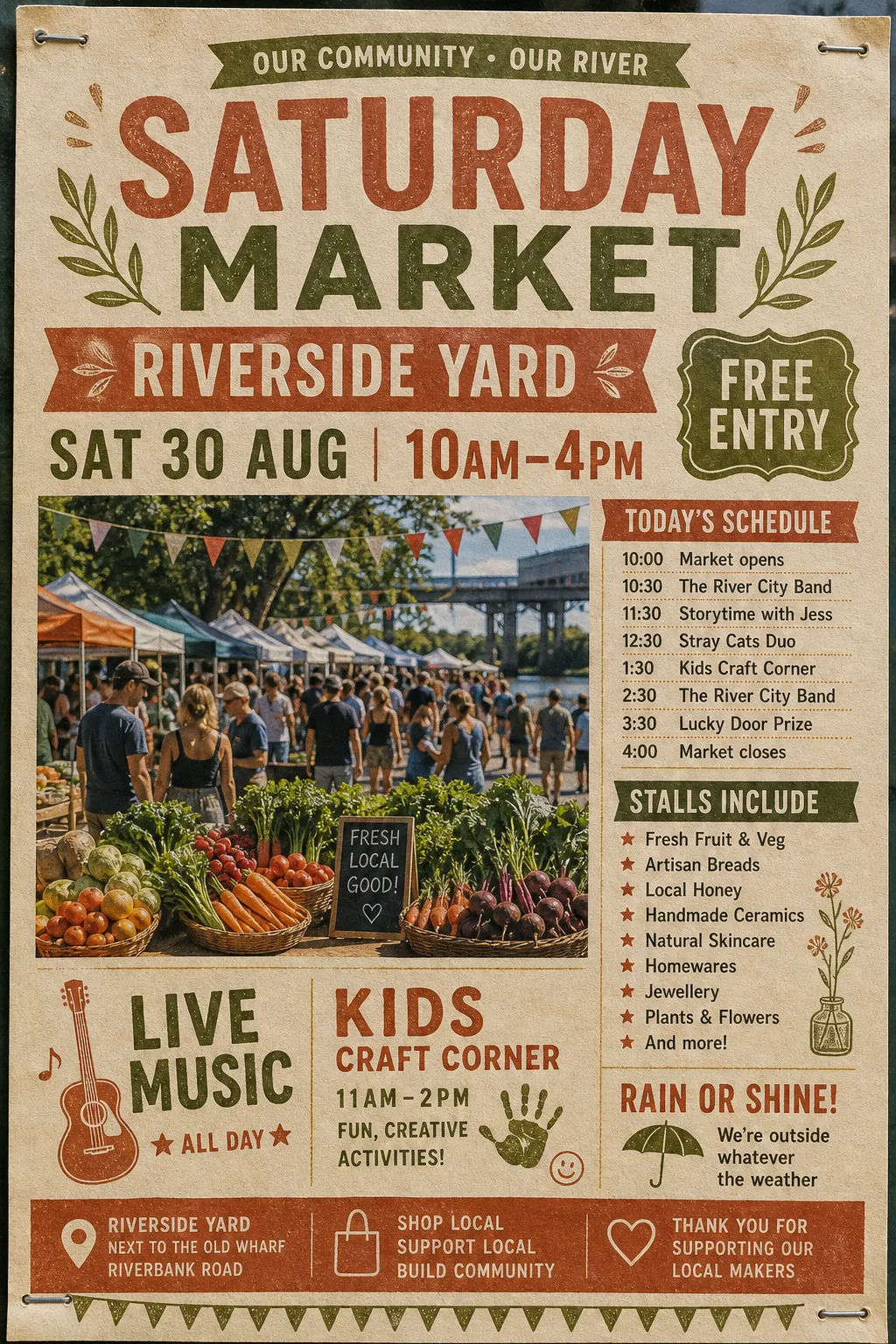
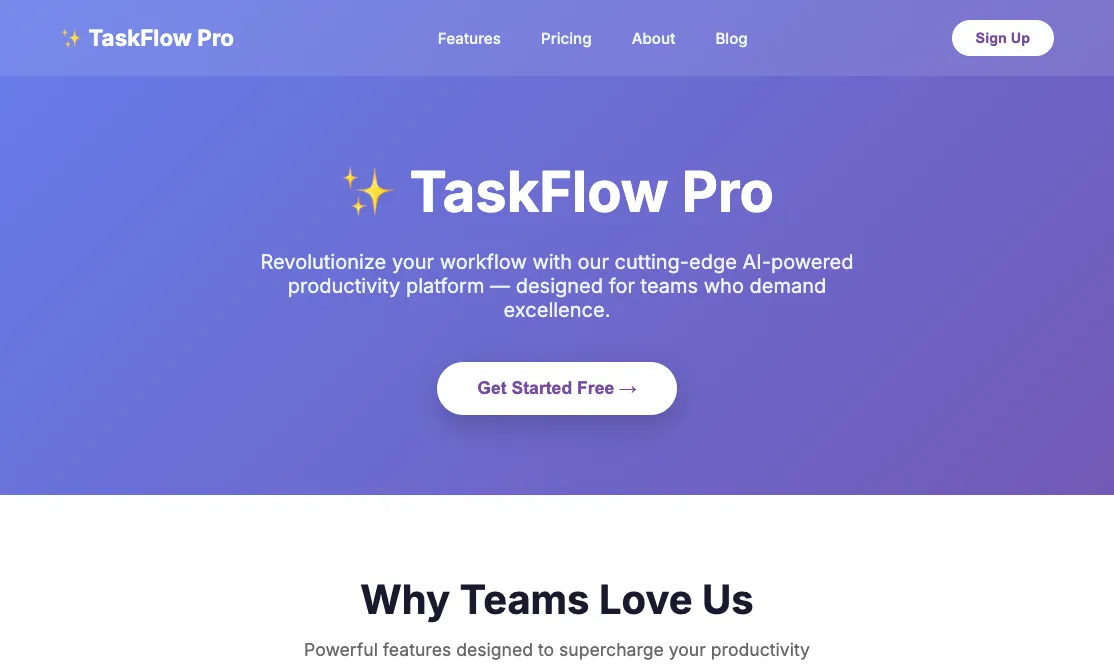
What I noticed and what’s bothering me enough to write this post is that my feeds are flooded with AI slop. And it doesn’t stay in the feed. It’s not only in the things we read. It’s also in the ads, the flyers, even the restaurant menus and of course the completely generated websites that all look the same (like I already mentioned in Vibe-Coded Is the New “Made in China”). Then the subtler ones, the ones that still have that distinctive AI stench: a video script clearly written by a model, then read by a human.




Slop Isn’t New
Most people don’t need much convincing that AI slop is annoying. You may already recoil when you recognize it. You might think that’s because the output is bland. And this might be one reason, but blandness is nothing new. We already had that in the pre-AI era.
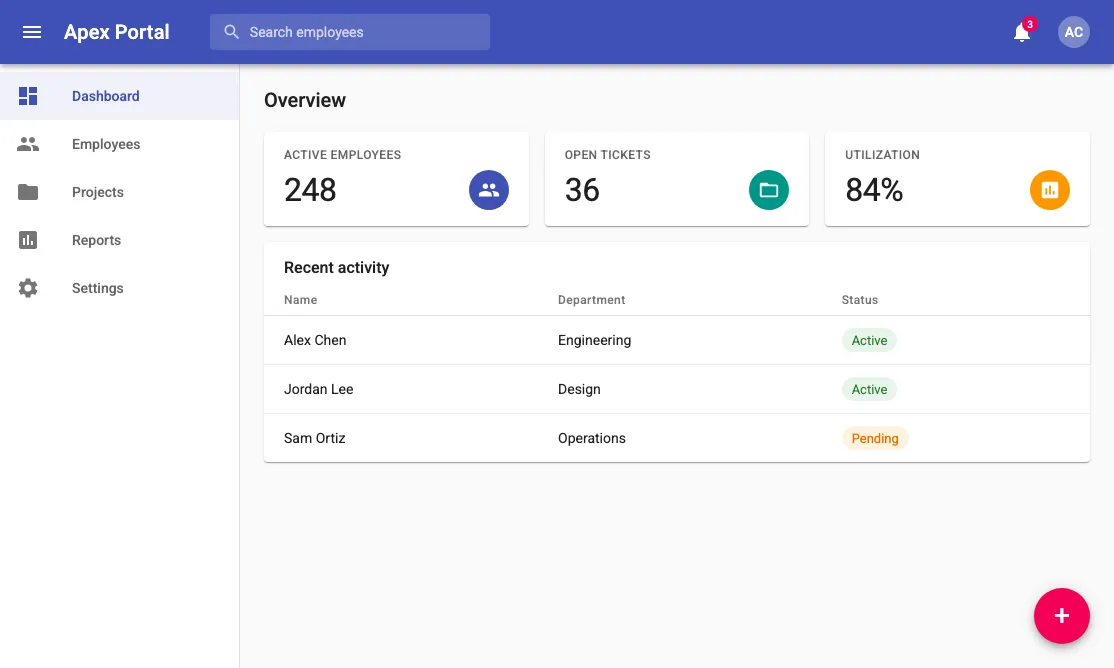
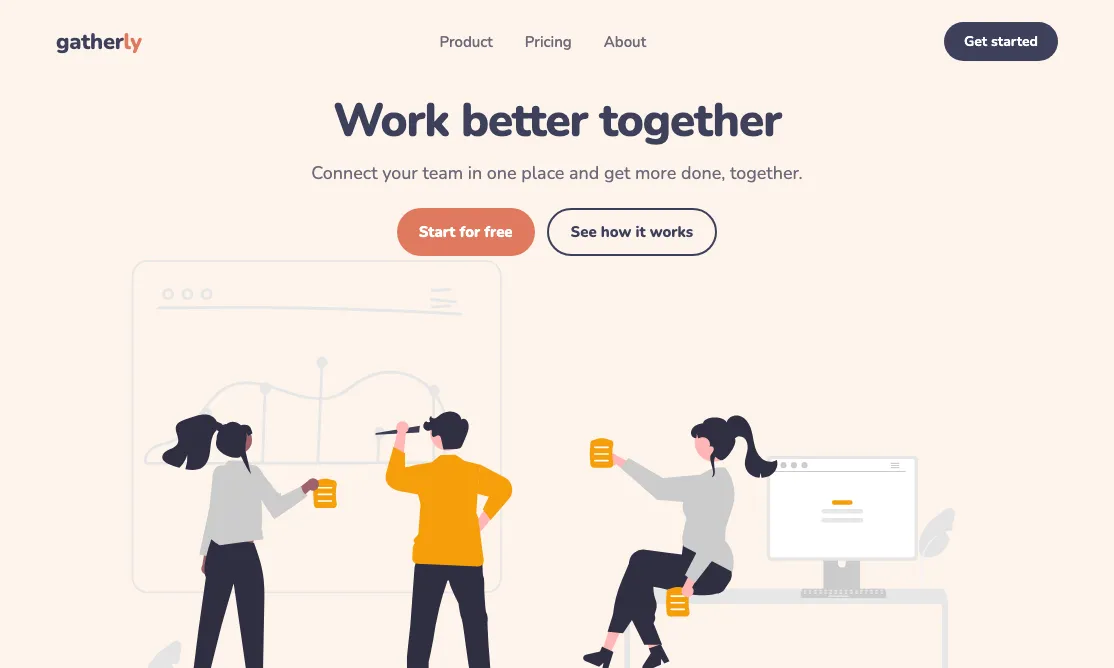
Most of us need variety to be content. Fashion trends change every few years because they get boring. Stay in developer land and it’s Material UI: it used to be the fancy new thing, nice-looking against the web UIs of the time, and now it reflects corporate blandness more than anything else. Illustrations like Humaaans and unDraw were introduced to add a bit of color, then overused so much that people detest seeing them. None of this is bad by itself, and sameness isn’t necessarily slop. But it shows what happens when a good default becomes everyone’s default.
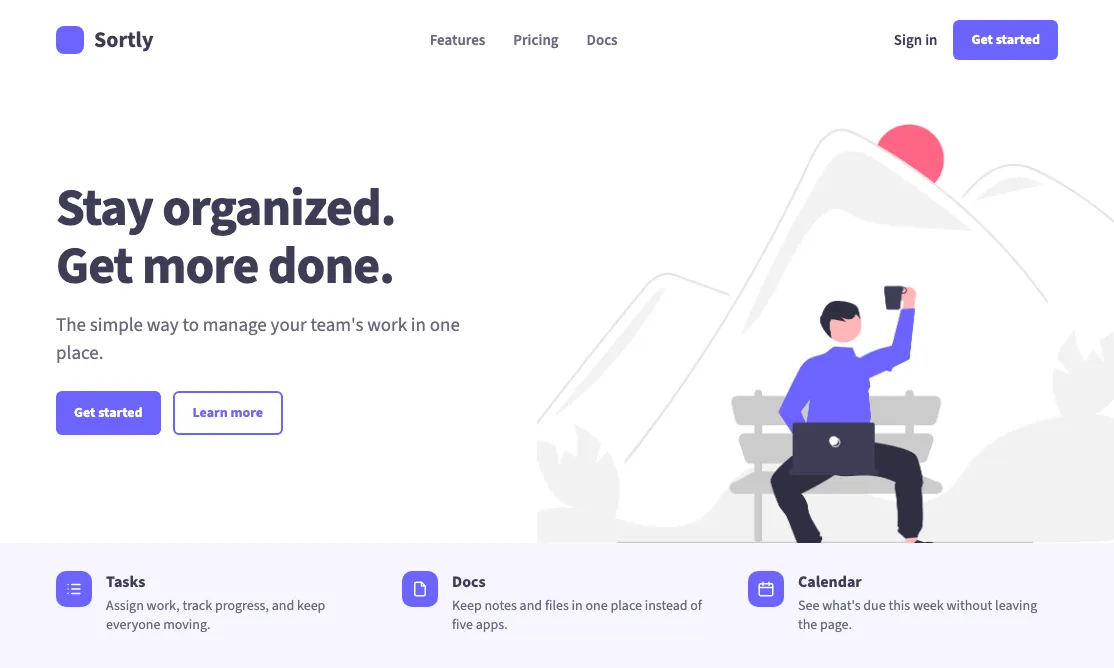
AI repeats that pattern at a much larger scale. Models can adopt nearly any style, but somehow they still have their own distinct one. It’s as if Shakespeare started appearing everywhere in your feed but was posted by different people. You would wonder why suddenly everyone has his voice. The same thing is happening with AI. Millions of people draw from the same defaults, and the style becomes visible everywhere.
This is a problem when you consume so much of it. Spend enough time around someone, and you pick up their vocabulary, their little quirks. The same thing happens with a model. And because the model is in so much of what we read, we pick up its quirks eventually. The good part with other humans is that the vocabulary you adopt is still pretty individual in the grand scheme of things. With AI, that may not be the case. Everyone is using the same few models. The widely used ones, furthermore, tend toward a broadly acceptable center to avoid ruffling feathers. Do you want to be part of this blandness?
Our Value System Changed
I have to give AI this much: it lowered the bar for long, smooth-sounding text so far that quantity isn’t impressive anymore. A few years ago a project could impress you through the sheer effort visible in it. And that shortcut made sense: effort is easy to see, quality usually isn’t, so we judged by the part we could actually see.1 That doesn’t work now.
And it’s not only about the amount. Polish used to cost something too: clean sentences, a structure that holds, no typos, all of that was someone sitting with the text for a while. Now it comes for free…
Which is a good thing, actually. The baseline for reasonable quality was raised so promptly that new (better) markers had to be found to distinguish the good from the bad. I, personally, value the small details someone clearly obsessed over, originality and usefulness more than ever. Cut the fluff, show me the part that matters. Sure, this may also be due to our fast-paced society that is drowning in information overload, but I’d still attribute the majority of the shift to AI.
AI Isn’t Necessarily the Problem
And that’s exactly why I don’t buy that AI-generated content is bad by default. Consider this twenty-minute AI-generated short film about four friends imagining where they would go if technology could place their consciousness in any world:
Oneiric (2026), a twenty-minute AI-generated short film, released together with all of its prompts and assetsWhatever you think of the execution, those scenes have a premise and a structure beyond the novelty of generated images. Sure, there are parts that don’t hold up that well. But a couple of years ago this would have been a very impressive short movie on the internet. Why shouldn’t it still be a good one? Because it required less labor to create?
Whether the film works for you has to come down to the emotions and thoughts it evoked in you, not the label attached to it. Good content shouldn’t be classified as AI or handmade. It should be classified by the quality, the originality, and the usefulness of the result.
Sadly, work like that stays the exception, and not only in film. Fowler is asking where the exceptions are in software:
We hear so much about the incredibly productive things we can do with agentic programming, but has anyone noticed a flood of wonderful applications built with it? Or have we noticed a significant improvement in common applications from the big AI boosters such as Google or Microsoft?
Because the hard part was never the labor. A lot of AI-generated content really does land in the slop category, and it lands there because the author didn’t invest any time into the fundamental idea. That’s the part AI can’t solve for you.
When You Skip the Thinking
Take this post. It started as a nugget of an idea and a few paragraphs of me being annoyed at my feed. I wanted to build it out, and I didn’t feel like thinking it all the way through. Before AI, that left two options: grind through it, or have no result. Now there’s a third one: let AI do the work for you. And I did.
What came back was a blog post with sections and sources and a closing line that sounded earned. It was competent and it was empty. You’re reading the version I forced myself through afterwards.
AI doesn’t produce the slop on its own, but it changed what you get when you skip the thinking. Before, skipping it left you with nothing, an empty page. Now it leaves you with something that looks finished. The default moved from nothing to slop, and you have to actively force yourself past it.
If you want to lift your project, your text, your product to the next level, that part is yours. You can do it with the help of AI, but you have to steer the vessel. Many switch to autopilot because it’s easier and because it saves them from thinking, and that’s exactly when you start moving sideways. Sure, now you don’t have a single bullet point anymore, you have a complete text. But the actual message, the core, is still that one bullet point, now in a fancy dress.
What Has to Stay Yours
Using AI always means delegating something, but not always the same thing. Sometimes you delegate labor; other times, judgment. The second deserves more care.
For a software feature with clear acceptance criteria, letting an agent write the implementation can be perfectly reasonable. You still have to inspect its decisions and verify the result, but nobody came for your voice. The implementation was the point.
Your actual voice is different: a social media post, a take, something that is supposed to be you. Sure, use AI to challenge the argument, check a source or clean up a sentence. But would you let an employee or colleague decide what you believe and then publish it under your name? Probably not. So why do it with AI?
And now the reader is stuck with the same question. Which parts are yours? What do you actually stand behind? They came for your take and now have to reverse-engineer it from the model’s version of you. That makes the work harder to judge and, eventually, harder to trust.
That doesn’t mean we should stop using AI. I obviously won’t. It can take care of boring work, challenge your argument and help you move faster. Just don’t confuse a finished result with finished thinking.
A model can sound like you. It can’t mean it for you.
Footnotes
-
Participants rated a poem, a painting and a suit of armor more highly when they were told it took more effort to produce, especially when quality was difficult to judge. Kruger, J., Wirtz, D., Van Boven, L., & Altermatt, T. W. (2004). The effort heuristic. Journal of Experimental Social Psychology, 40(1), 91–98. https://doi.org/10.1016/S0022-1031(03)00065-9 ↩